
Visa Assistance for South African Schools: A Complete Guide for International Academic, Cultural & Sports Travel
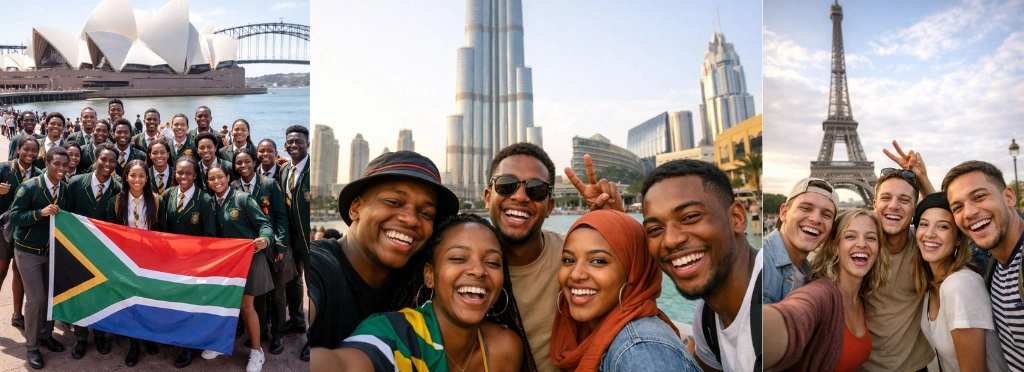
International travel plays a vital role in the holistic development of South African scholars. From academic exchange programmes and cultural tours to international sports competitions, global exposure offers learners invaluable educational, social, and leadership benefits.
However, for schools, organising overseas travel is not just about flights and accommodation. Visa compliance is often the most complex, time-sensitive, and high-risk component of the process. This guide explains how South African schools can successfully manage visas for scholars travelling abroad and answers the most common questions school organisers search for online.
Why Visas Are a Major Challenge for South African Schools
When schools organise international travel, they are responsible not only for logistics but also for legal immigration compliance on behalf of minors. Each destination country has its own visa rules, documentation standards, consent requirements, and timelines.
Common challenges include:
- Different visa requirements for minors
- Strict embassy submission deadlines
- Complex parental consent and guardianship documentation
- Group visa coordination for large numbers of scholars
- Risk of refusals due to documentation errors
- Last-minute changes to embassy policies
Without professional guidance, even well-planned trips can face delays or cancellations.
Types of School Travel That Require Visas
Most countries require visas for South African passport holders when travelling for educational purposes. These trips commonly include:
1. Academic Programmes and Exchanges
- Sister school exchanges
- Short-term study programmes
- Language immersion courses
- STEM or academic competitions
2. Cultural and Educational Tours
- History and heritage tours
- Cultural exchange programmes
- International school tours
- Leadership or youth development programmes
3. Sports Tours and Competitions
- International tournaments
- Training camps
- Friendly matches or leagues
- Multi-country sports tours
Each category may require a different visa type, even if the destination country is the same.
Do School Groups Apply for Visas Individually or as a Group?
This is one of the most frequently Googled questions by South African schools.
The answer is: both.
- Each scholar must have an individual visa application
- However, embassies often allow group submissions through a coordinated process
Group visa submissions help streamline appointments, documentation checks, and timelines — but they still require individual accuracy for each learner.
What Documents Do Schools Need for Scholar Visa Applications?
While requirements vary by country, most embassies require the following for minor applicants:
Core Documents
- Valid South African passport (usually 6+ months validity)
- Completed visa application form
- Passport photographs
- Proof of travel itinerary
- Accommodation confirmation
School-Specific Documents
- Official letter from the school confirming participation
- Travel programme or itinerary
- Proof of supervision (teacher or coach details)
- School registration documents (sometimes requested)
Parental & Legal Documents
- Unabridged birth certificate
- Parental consent affidavits
- Certified copies of parents’ IDs or passports
- Guardianship documents (if applicable)
Even one missing or incorrectly certified document can result in delays or refusal.
How Long Does the Visa Process Take for School Groups?
This is another high-volume search query.
Visa processing timelines depend on:
- Destination country
- Embassy workload
- Time of year (peak seasons)
- Number of applicants
- Accuracy of documents
General guideline for schools:
- Start the visa process 8–12 weeks before travel
- Some destinations require even earlier submissions
Late submissions are one of the biggest risks for school trips.
Can Schools Use Tourist Visas for Educational Travel?
In many cases, no.
Some countries allow short educational visits on tourist visas, while others require:
- Short-term study visas
- Cultural exchange visas
- Sports participation visas
Applying for the wrong visa category can lead to:
- Visa refusal
- Entry denial at border control
- Future visa complications for the learner
Professional visa assessment ensures the correct visa classification is used from the start.
What Happens If a Scholar’s Visa Is Refused?
Visa refusals are stressful and disruptive for schools and families.
Common reasons include:
- Incomplete documentation
- Incorrect visa category
- Inconsistent information
- Insufficient proof of purpose
- Weak travel justification
A refusal does not always mean the end of travel, but time is critical. Schools benefit from professional support to:
- Analyse refusal reasons
- Correct documentation issues
- Submit urgent reapplications where possible
Why Schools Should Use a Professional Visa Consultancy
Many schools attempt to manage visas internally, but international travel regulations are constantly changing. Professional visa consultants offer:
- Up-to-date embassy knowledge
- Risk management and compliance checks
- Group visa coordination expertise
- Clear timelines and document tracking
- Reduced administrative burden for teachers
- Higher approval success rates
Most importantly, professional support allows schools to focus on education, not immigration bureaucracy.
Best Practices for Schools Planning International Travel
To avoid visa-related disruptions, schools should:
- Appoint a dedicated travel or tour coordinator
- Confirm visa requirements before advertising the trip
- Set internal deadlines earlier than embassy deadlines
- Communicate clearly with parents about documentation
- Use professional visa support for group applications
Early planning is the single most important factor in visa success.